The Idea Behind This Resource
Lerwell emerged from conversations among lifestyle instructors, movement educators, and nutrition awareness advocates working in Austria. We noticed a recurring pattern: people frequently asked about supplements, but most available information came from sources with commercial interests or made claims that stretched beyond educational boundaries.
We wanted to create something different. A resource that explains rather than persuades. A space where people can learn about natural supplement categories, ingredient origins, and how others integrate these products into active lifestyles, without encountering exaggerated promises or pressure to purchase.
Why Separating Information from Promises Matters
The supplement industry often blurs the line between factual product information and marketing claims. Phrases like "breakthrough formula," "revolutionary results," or "scientifically proven" appear frequently, yet rarely do these claims receive substantiation or clarification.
People deserve access to information that helps them understand what they're considering without wading through promotional language. When someone wants to know what ashwagandha is, where it comes from, and how it's traditionally been used, they shouldn't have to sort through claims about transformation or guaranteed outcomes.
Our approach prioritizes clarity over persuasion. We describe supplement categories, explain ingredient sourcing, and discuss how people typically use these products as part of broader lifestyle patterns. We deliberately avoid making claims about specific results because individual responses vary significantly.
Principles of Neutral Information Presentation
Several principles guide how we present information on Lerwell:
- We describe supplement categories and their typical compositions without suggesting superiority of one over another.
- We explain traditional uses of botanical ingredients without claiming these uses translate to specific modern outcomes.
- We discuss how people integrate supplements into their routines without prescribing particular approaches.
- We emphasize that supplements represent optional additions to lifestyle practices, not primary solutions.
- We encourage label reading and ingredient research rather than reliance on marketing descriptions.
- We acknowledge that individual responses to supplements vary based on numerous personal factors.
Building a Culture of Informed Choice
Informed choice requires access to clear information without pressure. When people understand what ingredients are, where they come from, and how they're processed, they can evaluate whether particular supplements align with their personal circumstances.
This doesn't mean everyone will reach the same conclusions. Some people decide certain supplements fit their lifestyle patterns. Others conclude they prefer to obtain nutrients exclusively from dietary sources. Both approaches are valid when based on understanding rather than marketing influence.

The Role of Movement in Everyday Life
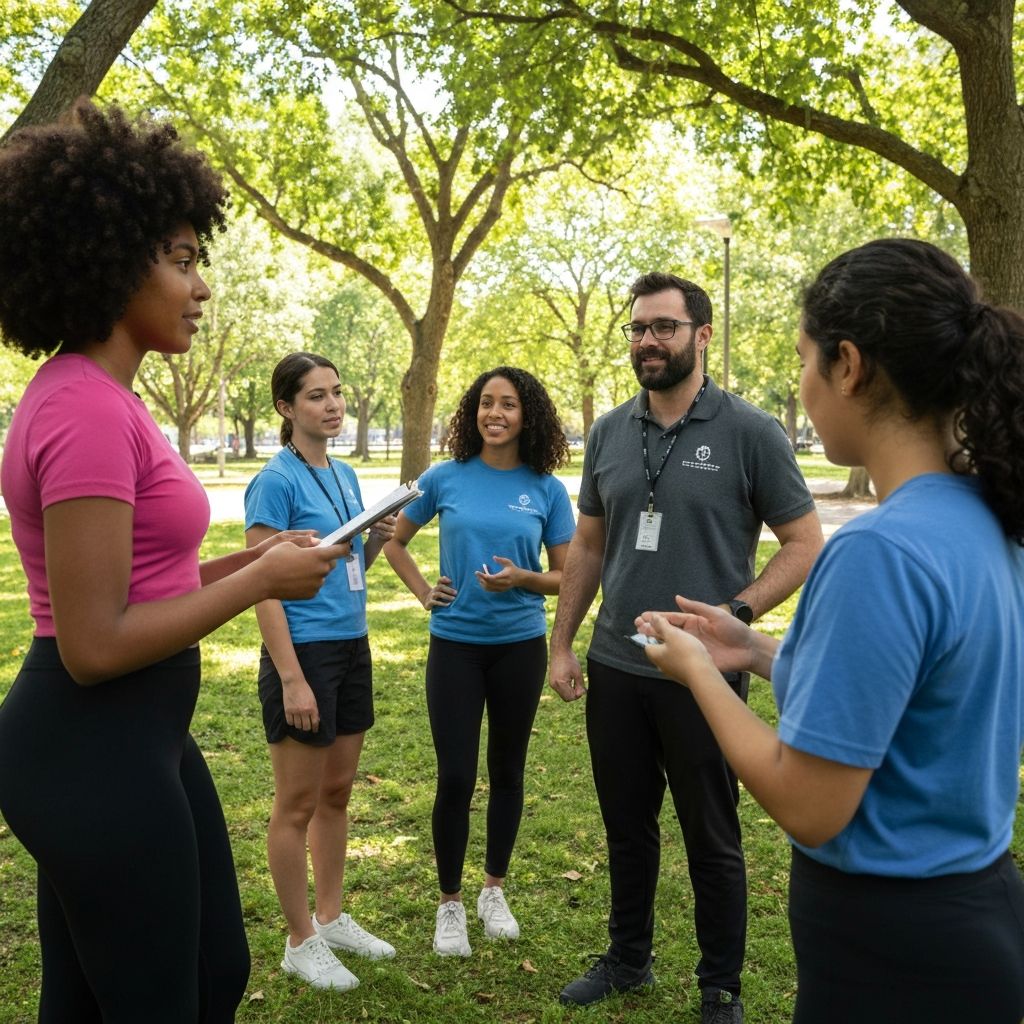
Our perspective comes from years of working with people around movement practices. Whether teaching stretching classes, leading outdoor walking groups, or guiding light resistance training, we consistently observe that sustainable physical activity forms the foundation of active lifestyles.
Movement doesn't require gym memberships, expensive equipment, or structured programs. Walking regularly, stretching daily, taking stairs instead of elevators, or engaging in recreational activities all constitute meaningful movement.
When people establish consistent movement patterns first, they develop better awareness of their body's baseline state. This awareness then provides context if they later choose to explore how supplements might fit into their routine.
Why Supplements Are Secondary to Lifestyle Fundamentals
Supplements exist as potential additions to foundational practices, not as replacements for them. No combination of vitamins, minerals, or botanical extracts can substitute for adequate rest, regular movement, varied nutrition, and sustainable daily habits.
People sometimes seek supplements as shortcuts, hoping to bypass the gradual work of establishing healthy patterns. This approach typically leads to disappointment because supplements function within the context of broader lifestyle factors rather than independently.
Our educational perspective emphasizes building sustainable foundations first. Once someone maintains regular movement, eats varied meals, gets adequate rest, and manages daily stress through practical means, then exploring whether certain supplements might complement these practices becomes more relevant.
Gradual Progress as a Fundamental Principle
Dramatic overnight changes rarely produce lasting results. Whether building exercise habits, adjusting dietary patterns, or incorporating supplements, gradual progression proves more sustainable than sudden overhauls.
This principle applies to information gathering as well. Rather than attempting to learn everything about supplements before taking any steps, many people find value in learning progressively through direct observation and adjustment over time.
Starting with one simple change, letting it stabilize, then considering the next adjustment creates a pattern of sustainable development. This contrasts with attempting multiple simultaneous changes that prove difficult to maintain.
Our Commitment
Lerwell remains committed to providing educational information without commercial pressure or exaggerated claims. We continue learning from lifestyle instructors, nutrition educators, and the people they work with, refining our understanding of how natural supplements fit into active, balanced lifestyles.